The Other Shore
Project overview
The Other Shore explores architecture as an emotional threshold between life and death. Rather than presenting these as opposing worlds, the project frames them as two reflections of the same journey.
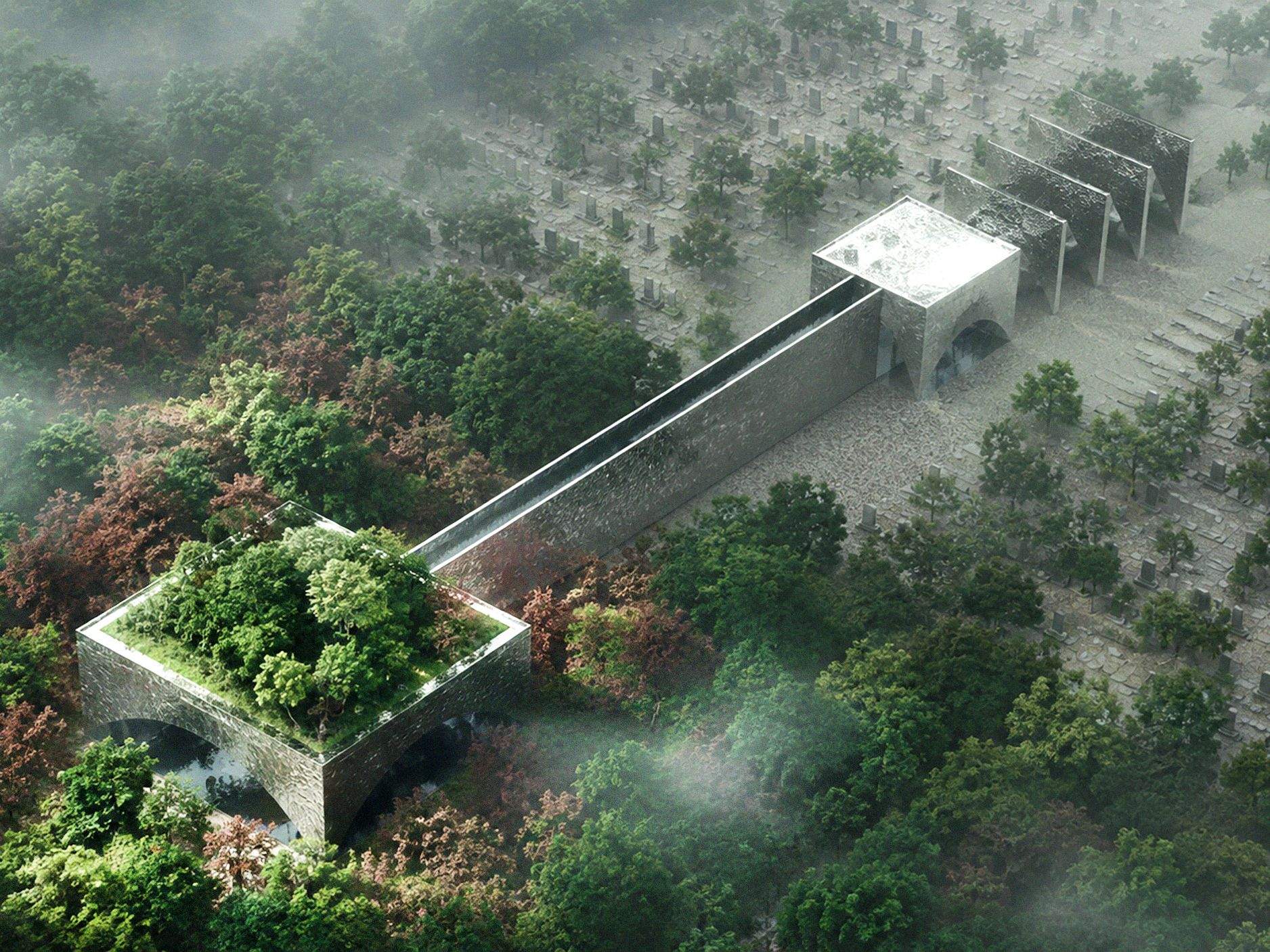
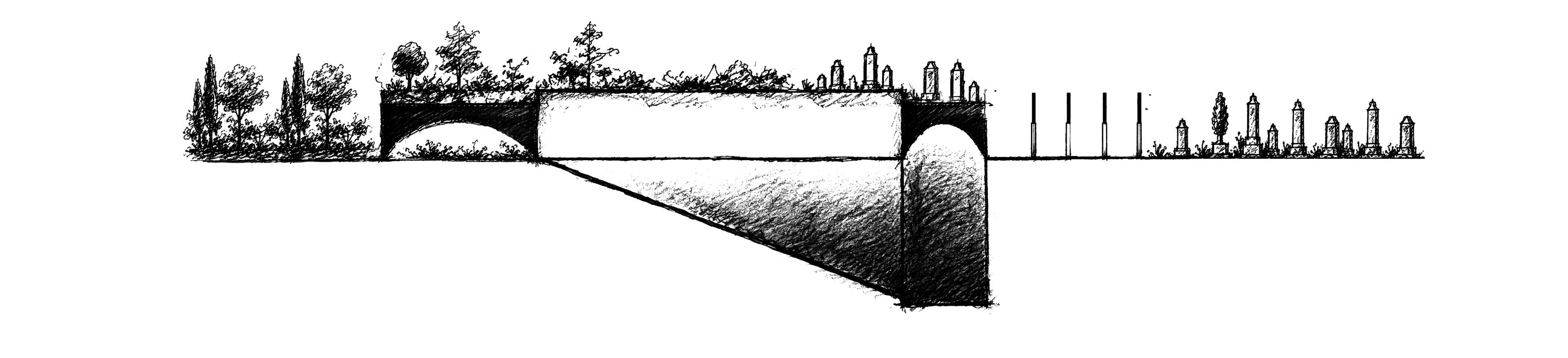
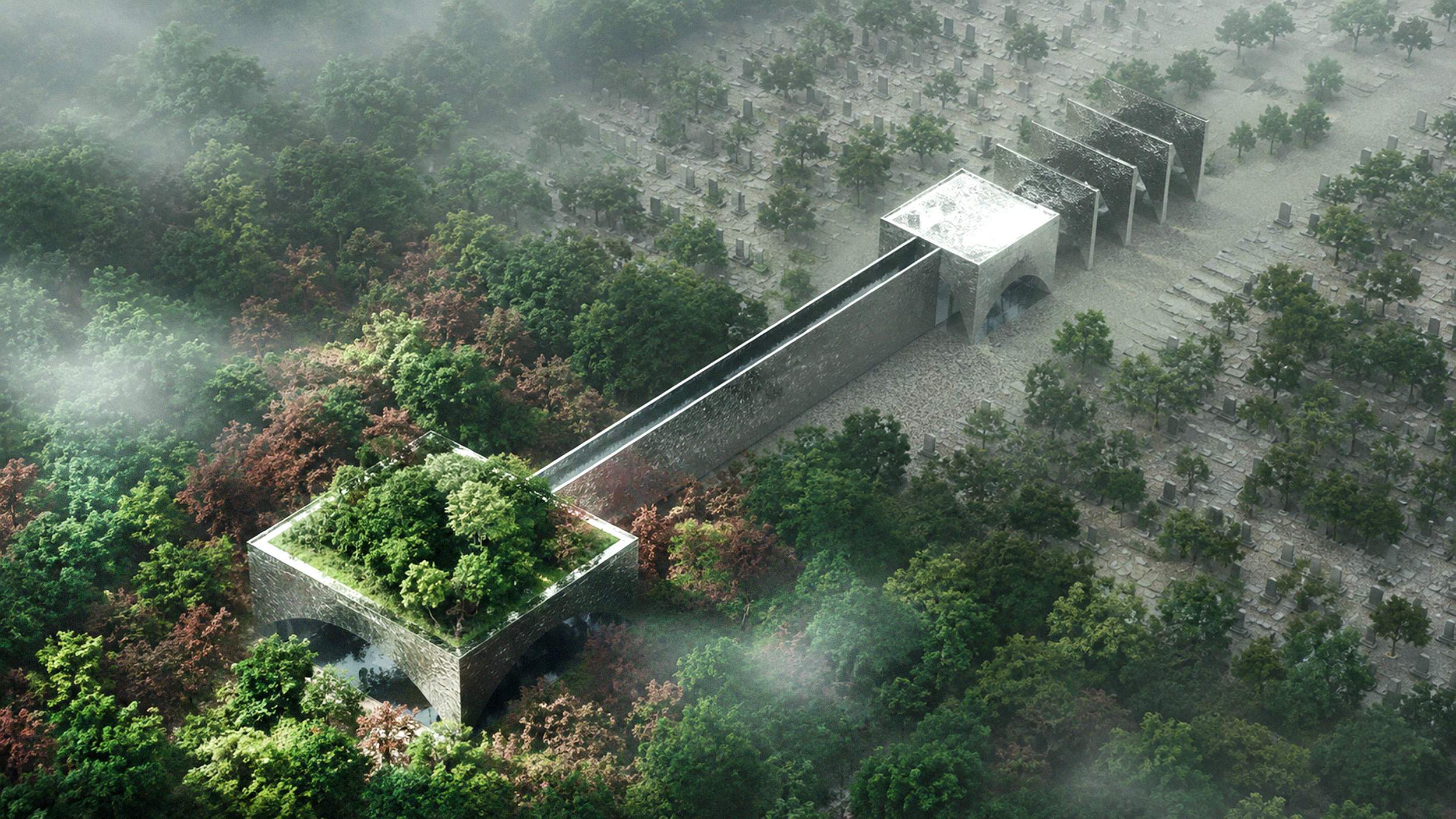
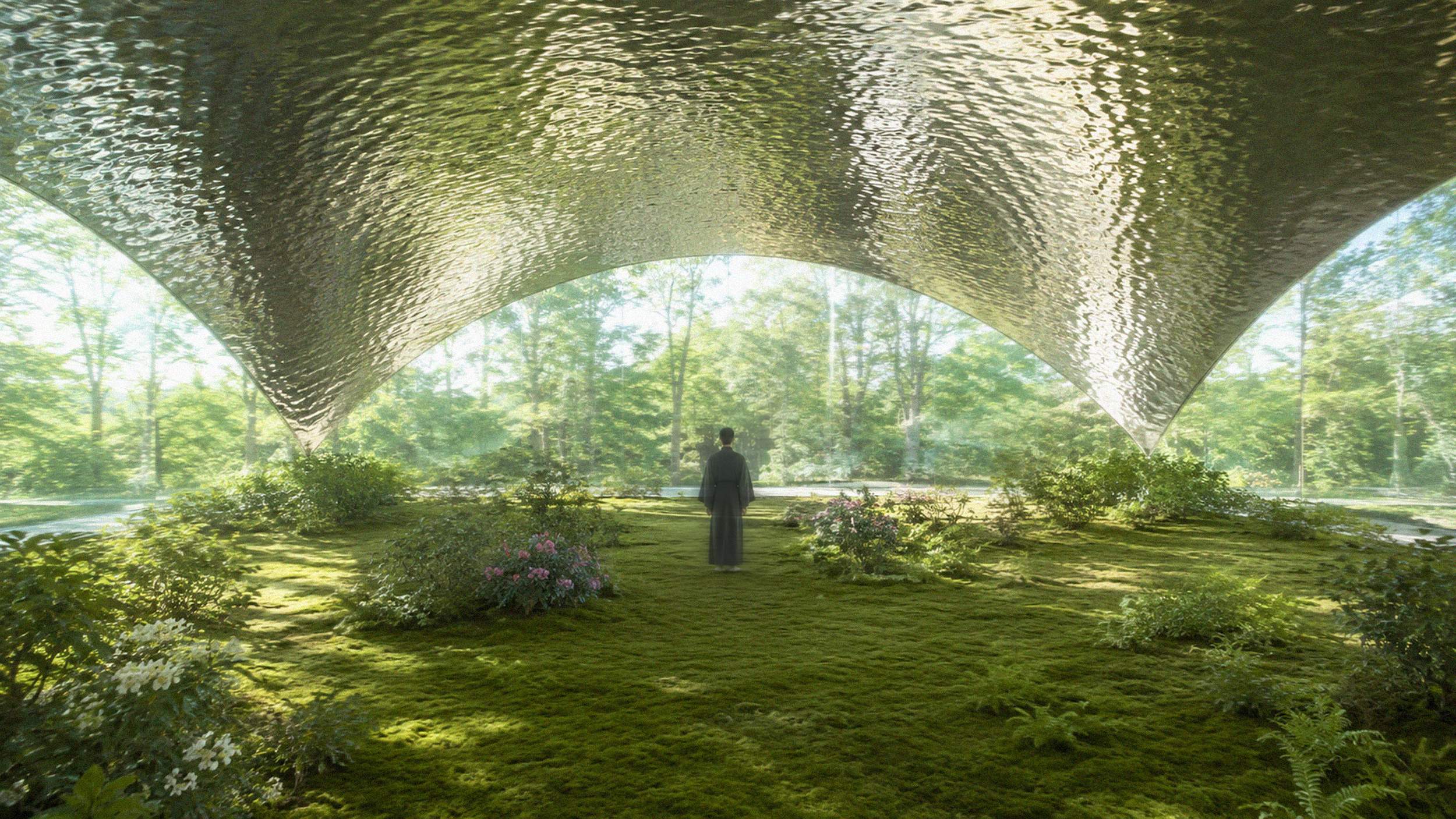
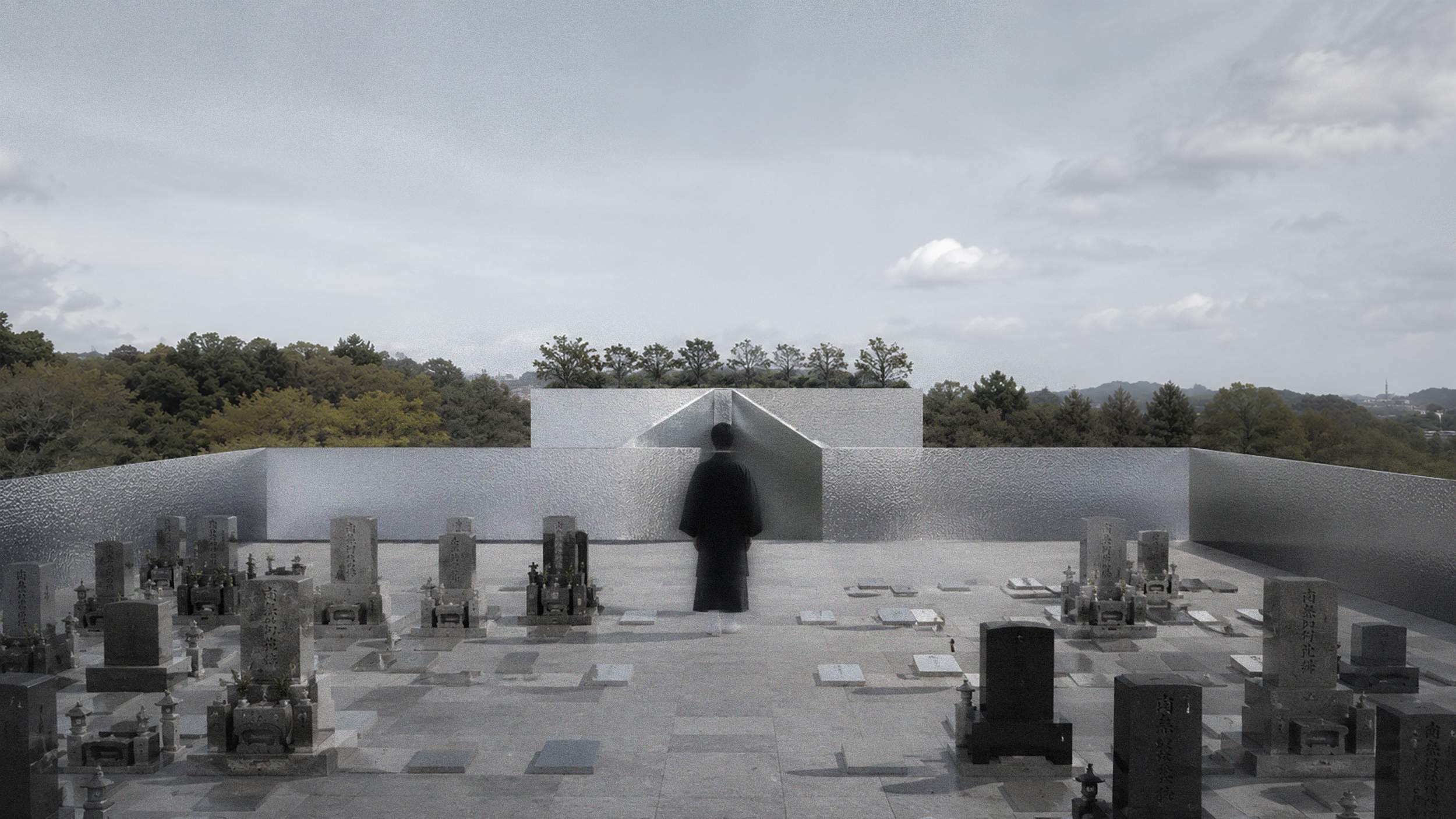
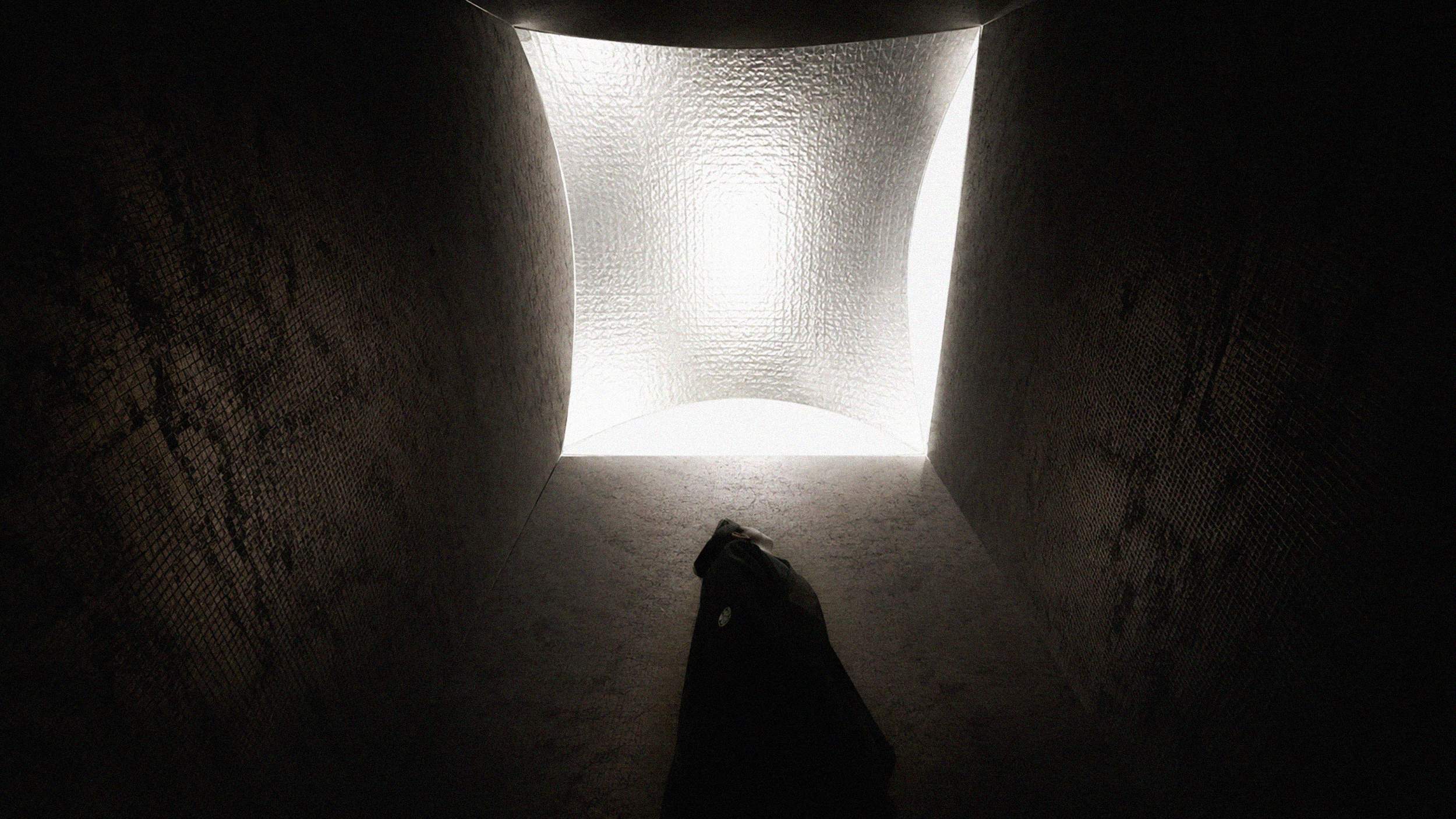
A garden and an underground cemetery are connected by a descending passage, where light, scale, and reflection gradually dissolve the boundary between the living and the departed. The same hammered metal vault spans both spaces, yet its reflections transform completely. Above the garden, it mirrors trees, sky, and the vitality of nature; above the cemetery, it captures a single opening of daylight, becoming a suspended sun that quietly illuminates the darkness below.
The architecture remains unchanged, while perception shifts. Entering the cemetery invites contemplation of mortality; leaving it offers a renewed awareness of life. Emotion is not represented through objects or exhibitions, but unfolds through movement, light, and the changing relationship between body, space, and memory.
The Other Shore proposes that architecture is not simply a container for emotion, but the medium through which emotion is experienced.
The museum contains no exhibits. The visitor becomes the exhibit, and emotion becomes the architecture.
Specifications
Site Location | Kyoto, Japan |
Area of site | 45,000 m2 |
Date | 2026 |
Status of the project | Concept |
The Journey Is the Museum. The Crossing Is the Emotion.
Before reaching the cemetery,
one must first leave the living world.
Not by distance,
but by the slow surrender of light.
A garden welcomes every visitor.
Above, a hammered vault gathers the reflections of leaves, branches, and sky, reminding us that life is always looking back at itself.
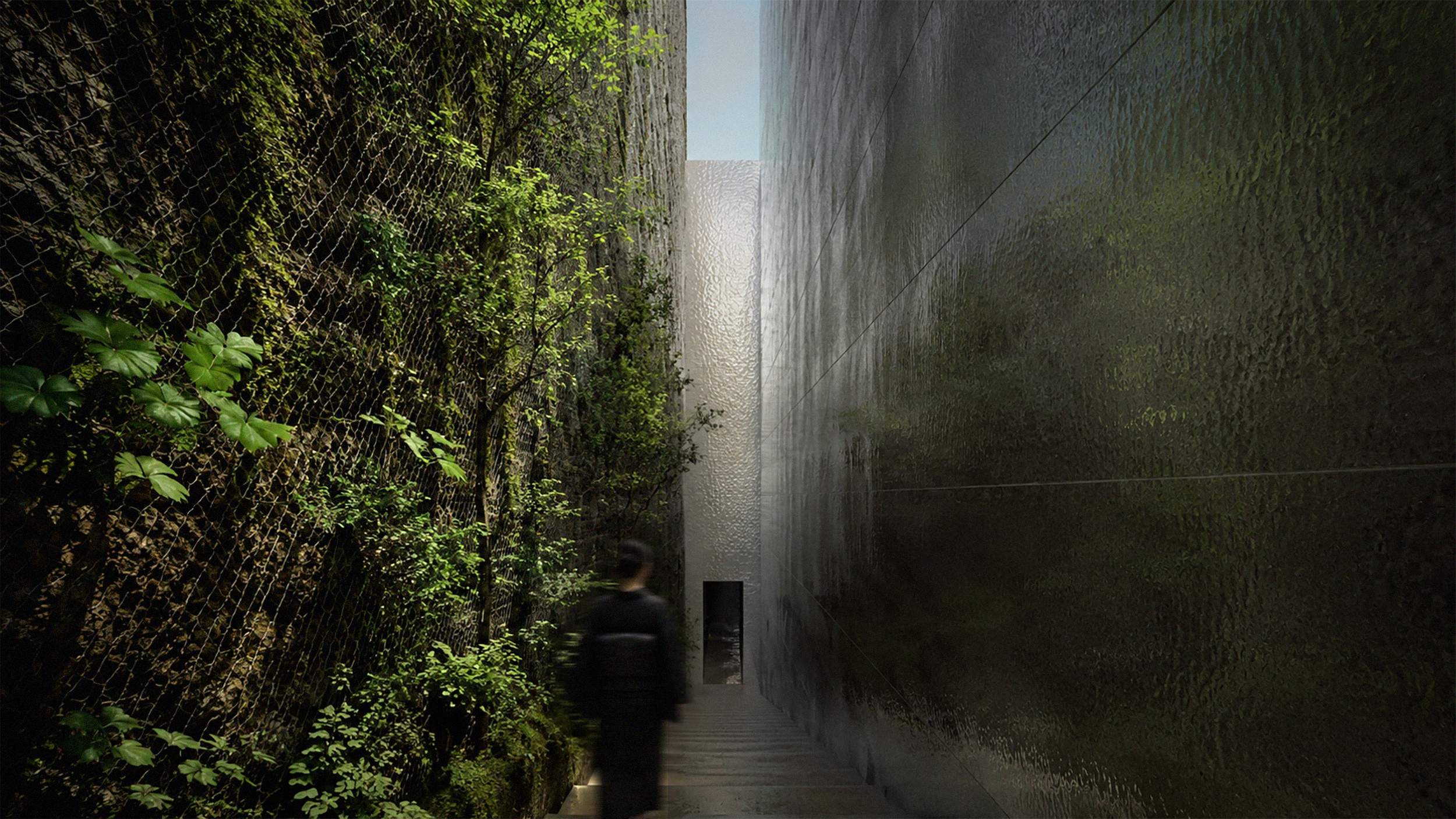
Step after step, the earth rises.
Walls become closer.
Shadows grow deeper.
The mirrored garden vanishes until only a single light remains above, radiant upon the textured metal like a silent sun that belongs neither to day nor to night.
Beneath it, the living stand among the dead.
In that shared silence, grief is no longer carried alone.
Death is no longer an absence, but another horizon of the same journey.
When the visitor ascends once more, the path unfolds differently.
The same stair now leads toward birdsong.
The same vault returns the image of trees.
The same body carries another heart.
The museum does not ask visitors to understand death.
It asks them to walk through it.
And perhaps, in crossing toward the other shore, they discover that every return to life is itself a quiet rebirth.